



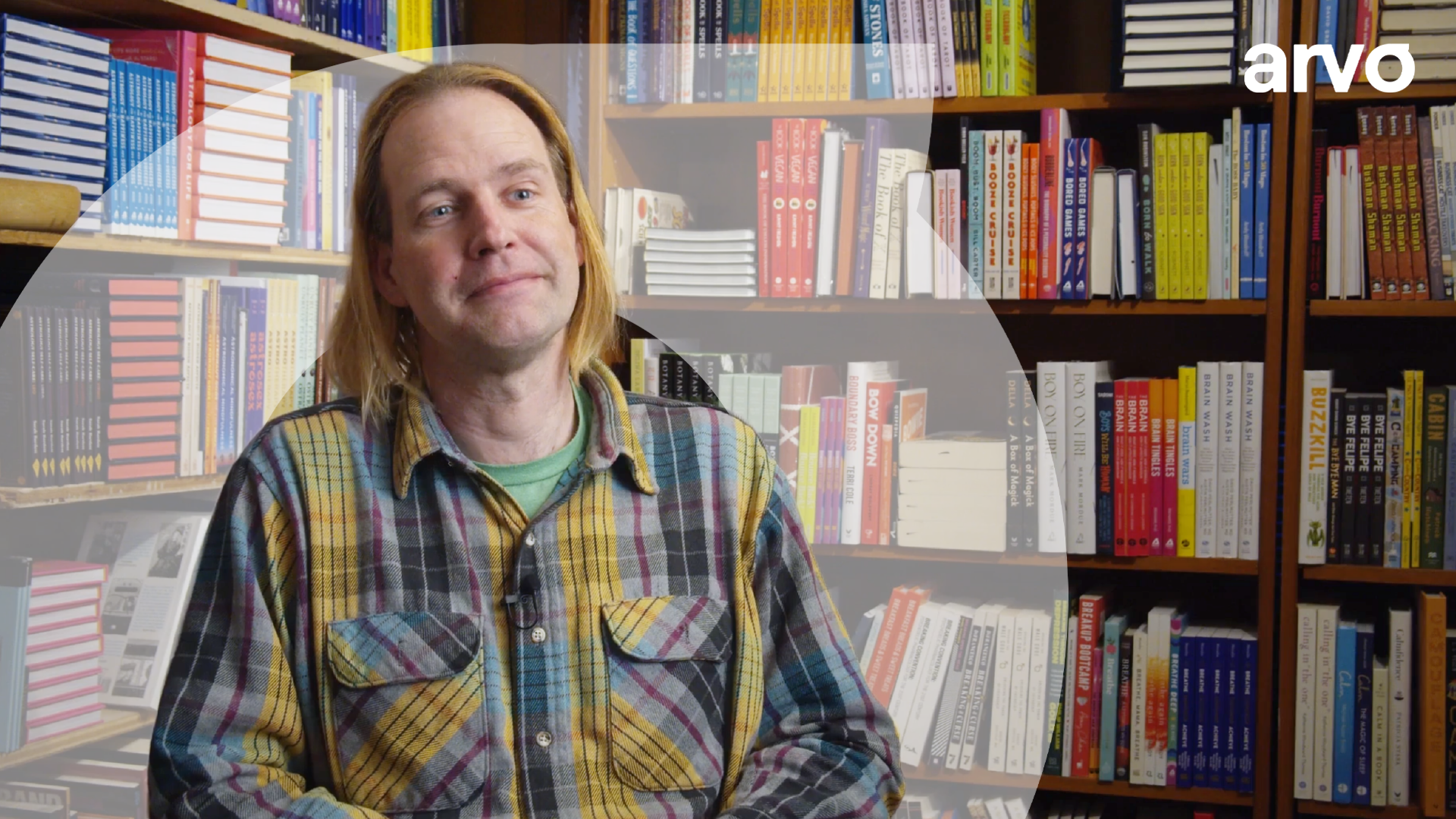
Microcosm Publishing is an independent book publisher and distributor founded by Joe Biel, who started the company three decades ago in his bedroom as a creative hobby. What began as one teenager's love of bookstores has grown into the fastest-growing company in its industry—built on a single, unchanging ethos: to create tools that change your life and the world around you. Today, Microcosm distributes its titles to roughly 15,000 independent brick-and-mortar retailers, guided by a customer Joe still pictures clearly: a 15-year-old standing in the aisle, reading a book that blows their mind.
The Evolution of Microcosm
- Three decades ago: Founded in Joe Biel's bedroom as a passion project to publish the kinds of books that had shaped him as a teenager.
- 2001: Developed Working Lit, custom relational-database software that now manages nearly every aspect of the operation—built after a production department employee suggested the company could do things better. He still works there 25 years later.
- Today: Services approximately 15,000 independent retailers, using proprietary data and a custom buying algorithm to track what sells and curate highly targeted outreach.
The Challenge: Innovation Hiding in Plain Sight
Microcosm spent years quietly engineering its own advantage. The company built custom software, refined a proprietary buying algorithm, and developed a tagging system so granular it can pull a report on, say, car washes in Idaho that love books about cats and witchcraft—and mail to exactly them. By any technical measure, this was "research and development" as defined by the IRS. But Microcosm never knew to see it that way.
- Unrecognized R&D: Years of building software and data systems were treated as simply "how we run the business," not as qualifying innovation.
- The "not for us" assumption: Like many founders, Joe assumed tax incentives were reserved for the independently wealthy or for those who didn't really need them.
- Tax complexity: Taxes were hard to understand, so the team left them to the professionals and kept their focus on the mission.
- Perceived barriers to entry: Joe assumed capturing a credit like this would require a law firm, an accounting firm, a tax preparer, and a tangle of other specialists to coordinate.
"I don't think anybody really thinks of themselves as benefiting from incentives like that... I'm worried about how to put books into people's hands that will be meaningful for them." — Joe Biel, Founder & CEO
The Solution: Partnering with Arvo
Arvo reached out to Microcosm directly and asked a simple question: Do you do research and development? Joe's honest answer was that he didn't think so—but he was open to being convinced. From there, Arvo did what Microcosm couldn't have done alone:
- Identified the R&D: Arvo recognized Microcosm's software development and data-system work as qualifying research and development.
- Translated the complexity: In a single meeting, Arvo walked Joe through what the credit meant materially and made genuinely complicated concepts clear and applicable.
- Guided the documentation: Arvo coached Joe through articulating the experimentation his team had performed—what each person did materially and scientifically.
- Acted as the conduit: Rather than assembling a roomful of specialists, Microcosm had one partner navigating the entire process on its behalf.
"If it weren't for Arvo, we probably wouldn't have gotten the tax credits, because taxes are hard to understand. We leave it to the professionals." — Joe Biel
The Impact
- Captured Credits: Microcosm secured R&D tax credits it would otherwise have missed entirely—benefits Joe describes as immense and never something he would have pursued on his own.
- Reframed Innovation: The everyday ingenuity behind Working Lit and Microcosm's data systems was recognized for what it is: legitimate research and development.
- A Humanized Process: Arvo put the requirements into terms Microcosm could understand and handled the back-and-forth "in a way the IRS never would."
- One Partner, Not Ten: What Joe assumed would require a small army of firms turned out to need a single, knowledgeable guide.
"Arvo is a great partner for Microcosm because they know about all these weird tax incentives that we wouldn't have even had on our radar if they hadn't approached us about them."
— Joe Biel
Conclusion
Microcosm Publishing's story is a reminder that innovation isn't reserved for tech giants or the independently wealthy. A book publisher that built its own software, engineered a custom buying algorithm, and out-served its competitors by focusing on the 15,000 smallest accounts was doing real R&D all along—it just took the right partner to recognize it. By teaming up with Arvo, Microcosm turned overlooked ingenuity into tangible savings, freeing Joe and his team to keep doing what they do best: putting meaningful books into people's hands.